Crew
WorkshopS
COMING SOON
-
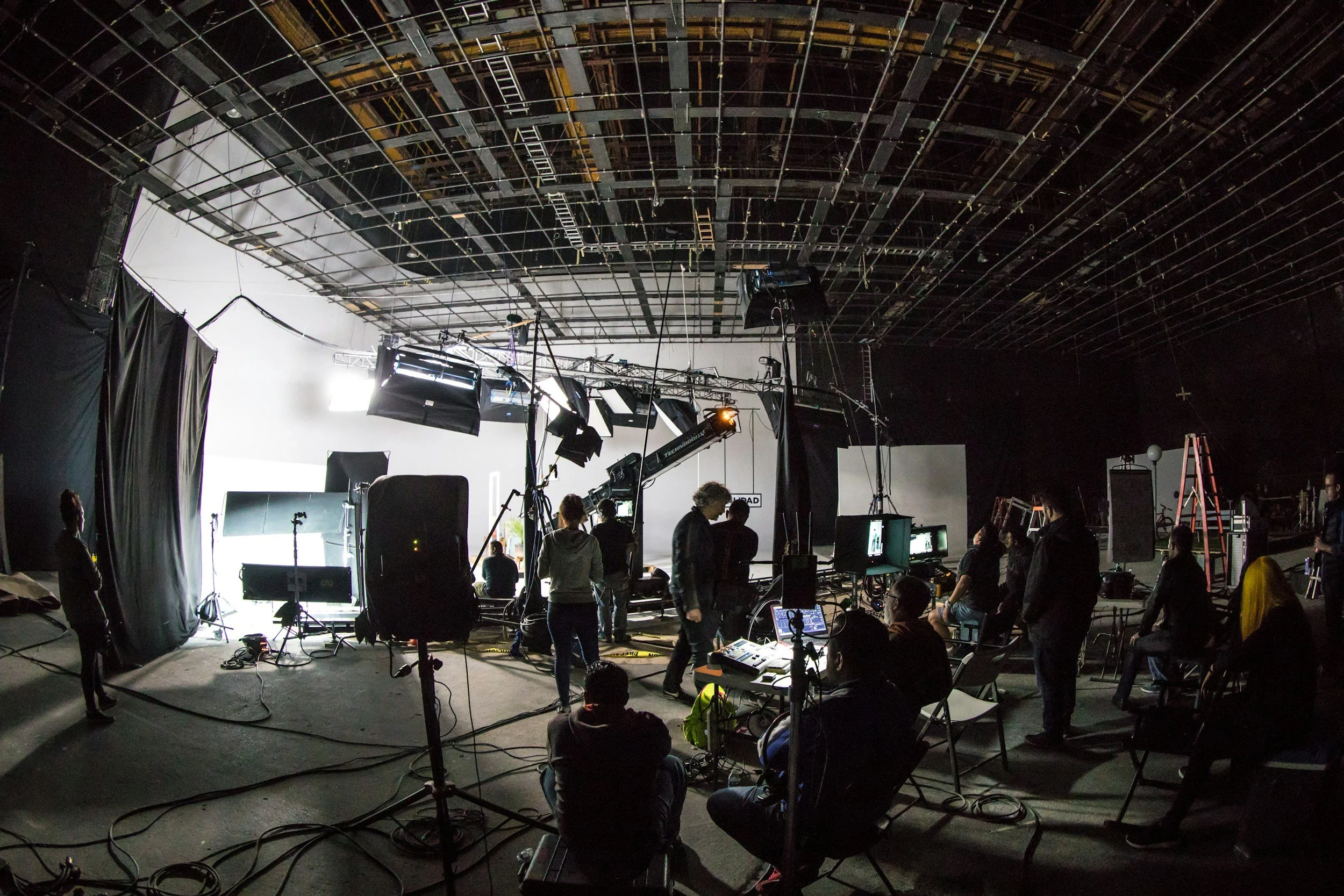
Five departments. Three days. One fast-paced deep dive into life on set.
Departments:
Production (assistant directing, script supervisor)
Camera (1st & 2nd assistant camera)
Electric (best person, electric)
Grip (best person, grip)
Sound (mixer, boom operator)
Day 1
Hands-on workshop style class sessions designed to teach you the very specific skills each crew person is tasked with. Timing is everything. We also explore how to navigate the workflow so you’ll know when it’s the right time to get it done.
Day 2
Lens-Light-Blocking: Now you’re on set as a crew member doing a job. But this isn’t at full speed. We take a half-speed walk through approach to filming a scene. You’ll participate as it all plays out from blocking to the final take. We answer questions, demonstrate proper technique, and guide you through the process.
Day 3
This is the real deal. Your crew films the scene from day 2, but now we move at real-world speed. Each set-up is on the clock. We have three hours to shoot the scene. Can we get it done?
-
Camera Assistant Workshop
Two days. Three camera department roles. Hands-on training built around professional set workflow.
This workshop focuses on the practical skills, organization, communication, and set etiquette needed to work as a 1st Assistant Camera, 2nd Assistant Camera, or Digital Loader.
Day 1 — 1st & 2nd Assistant Camera
1st AC
Building and organizing the camera package
Moving and preparing the camera for the operator
Pulling focus
Lens and accessory changes
Managing batteries and camera media
2nd AC
Supporting the 1st AC
Slating shots and setting actor marks
Camera reports and logs
Tracking lenses, filters, and media
Keeping the department organized
Day 2 — Digital Loading & Workflow
Learn how to safely manage one of the most important assets on set—the footage.
Setting up a digital loading station
Preparing and labeling media
Offloading and verifying footage
Creating redundant backups
File organization and media tracking
Safely returning cards to the camera department
Throughout both days, we’ll also cover set etiquette, camera department communication, equipment handling, and professional workflow.
The goal: when you’re asked to build the camera, swap a lens, slate a shot, pull focus, or back up footage, you’ll know what to do—and when to do it.
-
Two days. Two departments. Hands-on training in the crews that shape and control light on set.
The group will split in two, spending half the workshop with Electric and half with Grip. You’ll learn the gear, terminology, workflow, and practical skills used by both departments.
Electric
Learn how the electric department powers, places, and adjusts lighting on set.
Proper and industry slang names for common lighting equipment
Setting and safely moving lights
Changing modifiers
Adjusting lights based on direction from the cinematographer or gaffer
Basic cable management and power distribution
Safe working practices for every setup
Grip
Learn how the grip department supports the camera and shapes light.
Proper and industry slang names for grip equipment and builds
Setting and adjusting flags, frames, and light-control equipment
Building butterfly frames up to 12' x 12'
Setting, leveling, and balancing dolly track
Making adjustments quickly based on instructions
Safe rigging and working practices for every setup
Throughout both days, we’ll also cover set etiquette, department communication, chain of command, and professional film-set workflow.
The goal: when you’re asked to set a light, fly a flag, build a frame, adjust a modifier, or lay track, you’ll understand the gear, the terminology, and how to get the job done safely and efficiently.Description text goes here
-
Assistant Directing & Script Supervisor Workshop
Two days. Two essential production roles. Hands-on training in the people who keep the set moving and the story connected.
Spend one day learning the responsibilities of the Assistant Director and one day working as a Script Supervisor. You’ll learn the paperwork, communication, organization, and on-set workflow each position requires.
Day 1 — Assistant Directing
The Assistant Director helps turn the production plan into a working film set—keeping the crew informed, the day organized, and production moving safely and efficiently.
Breaking down a script for production
Creating and reading shooting schedules
Preparing call sheets
Running the set and communicating with departments
Coordinating cast, background, and crew
Managing rehearsals, blocking, and the shooting process
Tracking the schedule and keeping the day moving
Conducting safety meetings and maintaining a safe set
Day 2 — Script Supervising
The Script Supervisor tracks what happens in front of the camera and creates the detailed record needed to maintain continuity and assemble the film in post-production.
Breaking down the script for continuity
Tracking scenes, shots, and takes
Maintaining the lined script
Recording director’s selects and take notes
Monitoring dialogue, action, props, wardrobe, and performance continuity
Timing scenes and tracking pages completed
Preparing daily script and continuity reports
Communicating critical information to the director, camera team, and editorial
Throughout both days, we’ll also cover set etiquette, chain of command, professional communication, and film-set workflow.
The goal: understand how to organize a shooting day, run a set, protect continuity, and provide the information the crew and editorial team need to keep the production moving.Item description
-
Two days. Two key sound department roles. Hands-on training in capturing clean, usable production audio on set.
This workshop focuses on the practical skills, equipment, communication, and workflow needed to work as a Production Sound Mixer or Boom Operator.
Production Sound Mixer
Learn how to set up, monitor, and manage production audio throughout the shooting day.
Setting up the sound mixer and recording system
Microphone selection and wireless audio
Setting levels and monitoring audio
Managing frequencies and avoiding interference
Organizing tracks, files, and sound reports
Communicating with the director, AD, and camera department
Recording room tone, wild lines, and wild sound
Identifying and solving common sound problems on set
Boom Operator
Learn how to capture clean dialogue while working quickly and staying out of the frame.
Choosing and positioning microphones
Proper boom handling and technique
Following actors through blocking and movement
Finding the best microphone position
Working around lighting, camera movement, and shadows
Managing cables and wireless boom setups
Communicating with the sound mixer
Adjusting quickly between setups and takes
Throughout both days, we’ll also cover set etiquette, sound department communication, equipment handling, troubleshooting, and professional film-set workflow.
The goal: when it’s time to record dialogue, capture wild sound, adjust a boom position, troubleshoot wireless audio, or prepare for the next setup, you’ll know how to get clean sound efficiently and professionally.Item description